Give your program a clear purpose
Agree on the location, hive care, and the role your organization wants to play.

Explore a beekeeping program that combines practical field experiences and connected hive monitoring.
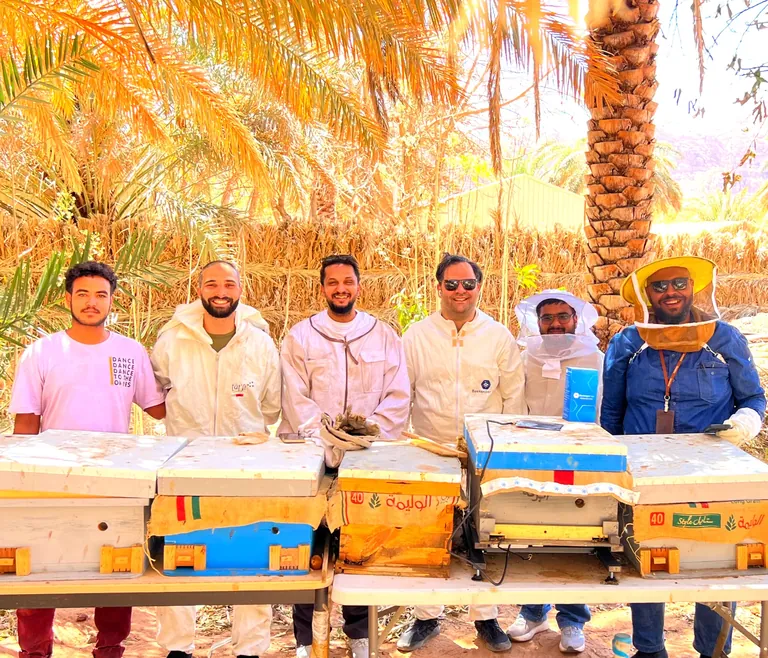
Agree on the location, hive care, and the role your organization wants to play.
Discuss field visits and practical experiences with beekeepers, tailored to your team.
Set a baseline and agree on reporting before making claims about environmental or financial outcomes.
A sample program starts with a discussion of your site and participants, followed by an agreed activity and a review of what your team learned.
Ask us to define the facilitation, equipment, site arrangements and any reporting in a written proposal. Dates, group size and deliverables depend on the agreed scope.
Tell us about your hives. We’ll help you find the right setup.
Choose a starting scope. Each proposal confirms location, beekeeper care, safety, timing, reporting and price.
A beekeeper-led field visit and an introduction to colony care for your team.
A scoped program with a local beekeeper, agreed hive care and periodic updates.
Connected measurements, field observations and a reporting framework agreed before the program starts.
Use a dated baseline; list participating sites and activities, device coverage and data gaps, beekeeper observations, maintenance actions and next steps. Report measured outcomes separately from targets. Sponsoring hives alone does not establish a biodiversity gain or a carbon offset.
AlUla field example: brood humidity drew attention to a hive. The beekeeper checked conditions and adjusted ventilation. Follow-up readings were reported to stabilize within one week.